
The road to peace in Afghanistan goes through Kashmir: Barrister Sultan
Washington, D.C. June 8, 2014. “The freedom struggle in Jammu & Kashmir has passed through its transformation from armed struggle to a non-violent mass movement. This non-violent, indigenous and peaceful struggle needs to…
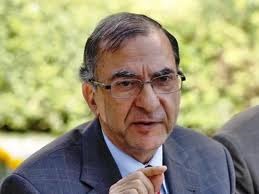
Washington, D.C. June 8, 2014. “The freedom struggle in Jammu & Kashmir has passed through its transformation from armed struggle to a non-violent mass movement. This non-violent, indigenous and peaceful struggle needs to be recognized and strengthened by the world powers.” This was stated by Barrister Sultan Mahmood Choudhary, former Prime Minister of Azad Kashmir and Senior Leader of Pakistan Peoples Party – Azad Kashmir while addressing the press and community leaders in Springfield, Virginia.
Barrister added that the international community has maintained silence at the unending atrocities, which the people of Kashmir are facing on daily basis. The international community seems to forget about Kashmir in the midst of everything that happens in Afghanistan and Pakistan. The world powers should know that there would be no peace in Afghanistan until there is a solution of the Kashmir conflict. The road to peace in Afghanistan goes through Kashmir.
Barrister Sultan urged India to positively respond to Pakistan’s sincere efforts and willingness for a peaceful settlement on all issues through composite dialogue, including the Kashmir dispute. He added that Kashmiris are the real sufferers and unless they are taken on board no such process can make any headway. He underlined it was imperative that self-determination be granted to the people of Jammu and Kashmir to maintain peace and stability in the region.
Barrister believed that the leadership of Jammu and Kashmir should be associated with the India-Pakistan dialogue, adding that only Kashmiris had the right to decide the future of their territory. He said that the people of Occupied Kashmir should know that they are not alone in their struggle. The people and leadership of Azad Kashmir stand by them.
Dr. Ghulam Nabi Fai, Secretary General, World Kashmir Awareness said that the resolution of the Kashmir issue was essential to create an environment of peace and security in the region of South Asia. He added that the willingness of Pakistan and India to intensify their efforts to settle the Kashmir dispute would prove fruitless unless the two governments directly involved the Kashmiri leadership in the negotiations to peacefully resolve the dispute over Kashmir.
He added that a sincere and serious effort towards a just settlement of the Kashmir dispute must squarely take into account the ground realities and fully respond to the people’s rights involved in it. India and Pakistan need to know that any peace process that ignores the wishes of the people of Kashmir will not only prove to be an exercise in futility but can also cause incalculable human and political damage. Fai underscored that the Kashmiri American community is prepared to help in the initiation of a credible negotiating process between all parties concerned, i.e., Governments of India & Pakistan and the leadership of the people of Kashmir.
The host committee included, Sardar Zarif Khan, Sardar Zulfiqar Khan and Sardar Zubair Khan.
 This flood was the first in history, in the living memory of Kashmir. More than 450 people are dead, and more than $1bn in destruction has been estimated. The actual magnitude of the total destruction, the number of dead and the people who are missing may not be known for some time. Kashmir Valley was cut off from the rest of the world for days. Thousands of villages have been submerged, including the capitol city of Srinagar. Hundreds of thousands of people particularly in the rural areas still remain trapped without any outside help or rescue and relief. There has been a total breakdown in communication with no telephone contact of the people with their loved ones Boats were not available. People had to stand on their rooftops waiting for someone to rescue them.